
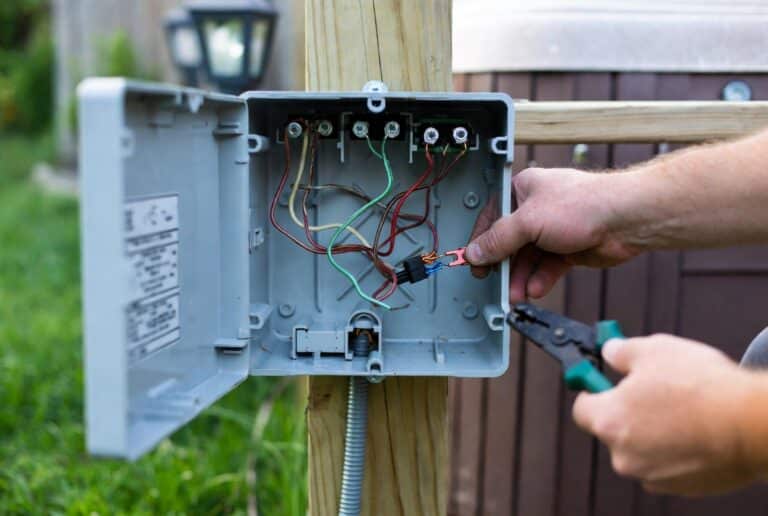
There’s nothing quite like stepping into a hot tub after a long day or warming up in a sauna during a Colorado winter. But here’s the thing most homeowners don’t think about until it’s too late: the electrical work behind these relaxation features is serious business. Hot tubs and saunas combine high electrical loads with water and moisture, and that combination can be dangerous if the wiring isn’t done right.
At Tru-Craft Electric, we’ve been helping homeowners and contractors across Superior, Boulder, and the surrounding Boulder County area with hot tub and sauna wiring for over 40 years. We’ve seen what happens when corners get cut, and we’ve fixed more than a few DIY disasters along the way. This guide will walk you through what proper hot tub and sauna wiring looks like, why it matters, and what to watch out for if you’re planning an installation or already have one in place.
Key Takeaways
- Hot tub and sauna wiring requires a licensed electrician because these systems combine high electrical loads with water and moisture, creating serious safety risks.
- Most residential hot tubs need a 240-volt, 50-amp dedicated circuit with GFCI protection, while saunas typically require 240-volt circuits with 30-60 amp breakers.
- GFCI (Ground Fault Circuit Interrupter) protection is mandatory for hot tub circuits and can prevent electrocution by detecting current imbalances within milliseconds.
- Common wiring mistakes include using undersized wire, skipping GFCI breakers, sharing circuits with other appliances, and omitting required bonding for nearby metal parts.
- Warning signs of electrical problems include frequent breaker trips, burning smells, warm or discolored breakers, and flickering control panel lights—all requiring immediate professional attention.
- Permits and inspections are required for hot tub and sauna installations in Superior and Boulder County to ensure compliance with NEC Article 680 and local codes.
Why Professional Electrical Work Matters for Hot Tubs and Saunas
Let’s be honest: hiring an electrician for hot tub and sauna wiring isn’t optional. It’s essential. These systems pull significant power, often requiring 240-volt circuits with 50 amps or more. Add in the fact that you’re dealing with water, moisture, and outdoor conditions, and you’ve got a recipe for serious problems if something goes wrong.
Licensed electricians know how to size wires, breakers, and circuits correctly. We follow NEC Article 680 and local codes to ensure proper bonding, grounding, and GFCI protection. This isn’t just about passing inspections (though that matters too). It’s about protecting your family and your investment.
Professional installation also protects your equipment warranty. Many hot tub and sauna manufacturers will void warranties if the unit wasn’t installed by a licensed professional. And if you’re thinking about selling your home down the road, unpermitted electrical work can become a real headache during inspections.
The risks of improper wiring include:
- Electrical shock or electrocution
- Fire from overheated wiring
- Nuisance breaker trips that interrupt your relaxation
- Equipment damage from voltage issues
- Failed inspections and code violations
For homeowners in Superior, Boulder, Lafayette, Louisville, and throughout the north Denver Metro area, working with an experienced local electrician means you get someone who understands both the National Electrical Code and the specific requirements of your municipality.
Hot Tub Electrical Requirements
Hot tubs aren’t like plugging in a lamp. Most residential hot tubs, especially the 4-6 person models that are popular in Boulder County backyards, require a 240-volt, 50-amp dedicated circuit. That’s a substantial amount of power, and it needs to be handled correctly from the panel all the way to the tub.
Under NEC requirements, only insulated copper conductors are allowed for spa circuits. Aluminum wire, which is sometimes used in other applications to save money, isn’t acceptable here. You’ll also need an outdoor disconnect that’s visible and accessible, typically installed between 5 and 15 feet from the water’s edge.
Voltage and Amperage Needs
The specific electrical requirements for your hot tub depend on its size and features. Here’s what we typically see:
- Standard 4-6 person spas: 50A, 240V circuits using #6 AWG copper wire
- Larger or feature-rich models: May require even heavier gauge wire or higher amperage
- Plug-and-play models: Some smaller units run on 120V and can plug into a standard outlet, but most permanent installations need 240V service
If you’re not sure what your hot tub needs, check the manufacturer’s specifications. Better yet, have a licensed electrician assess your panel capacity and recommend the right setup.
GFCI Protection and Dedicated Circuits
GFCI (Ground Fault Circuit Interrupter) protection isn’t just a good idea for hot tub circuits. It’s mandatory. A GFCI breaker can detect even small imbalances in electrical current and shut off power within milliseconds, preventing electrocution.
Your hot tub also needs a dedicated circuit, meaning no other appliances or loads share that circuit. This prevents overloads and ensures consistent power delivery to your spa. Sharing a circuit might seem harmless, but it can cause breaker trips, voltage drops, and potentially dangerous situations.
We install GFCI-protected dedicated circuits for hot tubs throughout Westminster, Arvada, Northglenn, and the entire Boulder County service area. Every installation follows strict safety and electrical code standards because there’s no room for shortcuts when water and electricity mix.
Sauna Wiring Essentials
Saunas present their own unique electrical challenges. While they don’t involve standing water like hot tubs, they do generate extreme heat and moisture that can damage improperly installed wiring over time.
Most home saunas require 240-volt circuits with 30-40 amp breakers, depending on the heater size. The wiring must be sized appropriately for the load:
- 30A circuits: 10-gauge copper wire
- 40A circuits: 8-gauge copper wire
- 50-60A circuits: 6-gauge copper wire
One important rule: electrical outlets are generally prohibited inside saunas. The combination of heat and moisture makes standard receptacles unsafe in that environment.
Heater Types and Power Demands
The type of sauna heater you choose affects your electrical requirements significantly.
Traditional electric heaters are the most common choice and typically require 220-240V with 30-60 amps, depending on the kilowatt rating and sauna size. A larger sauna needs a more powerful heater, which means heavier electrical demands.
Infrared saunas have become popular in recent years and generally use less power than traditional units. They may run on smaller circuits, making them easier to install in some situations. But, they still need proper wiring and shouldn’t be treated as a simple plug-in appliance.
Before purchasing a sauna, we recommend having an electrician evaluate your existing panel capacity. Some older homes in Superior and Boulder may need panel upgrades to accommodate the additional load.
Ventilation and Moisture Considerations
Proper ventilation isn’t just about comfort. It’s about protecting your electrical system. Saunas generate significant moisture, and that moisture can corrode wiring, damage connections, and create safety hazards over time.
When we install sauna wiring, we use moisture-resistant materials, proper conduit, and sealed fittings designed for damp locations. Junction boxes need to be positioned to avoid moisture accumulation, and all connections must be protected from the high-humidity environment inside the sauna.
Adequate ventilation also helps prevent condensation around electrical components, extending the life of your system and reducing the risk of problems down the road.
Local Codes and Permit Requirements in Superior
If you’re installing a hot tub or sauna in Superior, Boulder, Lafayette, Louisville, or anywhere else in Boulder County, you’ll need to deal with permits and inspections. This isn’t bureaucratic red tape. It’s a safety measure that protects you and your property.
All installations must comply with the National Electrical Code, particularly Article 680 for spas and hot tubs. But local building authorities can have additional requirements that go beyond the NEC. These might include:
- Specific disconnect placement requirements
- Burial depth specifications for underground conduit
- Bonding requirements for metal within a certain distance of the spa
- Inspection schedules and procedures
The permitting process varies by municipality, so it’s important to check with your local building department before work begins. In Superior, for example, the requirements may differ slightly from what you’d encounter in Boulder or Westminster.
At Tru-Craft Electric, we handle the permitting process as part of our service. We know the local codes throughout our service area, from Arvada to Northglenn to Longmont, and we make sure every installation passes inspection the first time. Our 40+ years of experience in Boulder County means we understand what local inspectors are looking for.
Skipping permits might seem like a way to save time and money, but it creates real problems. Unpermitted work can void your insurance coverage, create liability issues, and cause headaches when you try to sell your home.
Common Wiring Mistakes to Avoid
Over the years, we’ve seen plenty of hot tub and sauna wiring jobs that weren’t done right. Some were DIY attempts, others were done by contractors who didn’t specialize in electrical work. Here are the most common mistakes we encounter:
Using non-GFCI breakers or standard receptacles: This is probably the most dangerous mistake. GFCI protection is required for a reason, and skipping it puts lives at risk.
Running undersized or aluminum wire: Using wire that’s too small for the amperage load causes overheating. Aluminum wire, while cheaper, isn’t permitted for spa circuits and creates connection problems over time.
Sharing circuits with other loads: Your hot tub needs its own dedicated circuit. Period. Sharing a circuit with other appliances leads to breaker trips and potential hazards.
Omitting bonding requirements: Metal parts within 5 feet of a spa need to be properly bonded to prevent shock hazards. This includes things like metal fences, railings, and pool equipment.
Incorrect disconnect placement: The disconnect switch needs to be visible and accessible from the spa, but not so close that someone could reach it while in the water. The 5-15 foot range exists for good reasons.
Skipping permits and inspections: DIY electrical work in wet locations is asking for trouble. Even if you think you know what you’re doing, having a licensed electrician verify the work and pull proper permits protects everyone.
If you suspect your existing hot tub or sauna wiring has any of these issues, don’t ignore it. Have a professional evaluate the installation before something goes wrong.
Signs Your Hot Tub or Sauna Wiring Needs Attention
Electrical problems don’t always announce themselves dramatically. Sometimes the warning signs are subtle, and it’s easy to dismiss them as minor annoyances. But with hot tubs and saunas, those small signs can indicate serious issues that need immediate attention.
Watch for these warning signs:
- Frequent breaker trips or GFCI resets: If your spa keeps tripping the breaker, something is wrong. It could be an overloaded circuit, a ground fault, or failing equipment.
- Burning smells near the panel or equipment: This is never normal. A burning smell usually means wiring is overheating somewhere in the system.
- Warm or discolored breakers: Touch your breaker panel (carefully). If the spa breaker feels warm or looks discolored, there’s a problem with the connection or the wire sizing.
- Sizzling sounds near electrical equipment: Any unusual sounds coming from your electrical system need immediate investigation.
- Flickering control panel lights: Intermittent power issues often point to loose connections or failing components.
- Heater operating inconsistently: If your hot tub or sauna heater seems to work sometimes but not others, the electrical supply may be the culprit.
- Corrosion or water intrusion in junction boxes: Moisture getting into electrical enclosures causes corrosion and creates shock hazards over time.
- Damaged insulation on visible wiring: Any exposed copper or cracked wire insulation needs to be addressed immediately.
If you notice any of these issues, don’t try to diagnose or fix them yourself. Turn off the circuit at the breaker panel and call a licensed electrician. The risk simply isn’t worth it.
Conclusion
Hot tubs and saunas are supposed to be relaxing, not stressful. But enjoying them safely requires proper electrical installation from the start. Code-compliant design, GFCI-protected dedicated circuits, correct voltage and amperage, proper wire sizing, and professional installation backed by permits and inspection aren’t optional extras. They’re the foundation of a safe system.
Tru-Craft Electric has been serving Superior, Boulder, and the entire Boulder County area since 1979. We’re a family-owned company that takes pride in doing things right the first time. Every job follows strict safety and electrical code standards. We use only high-quality materials and never cut corners.
Whether you’re installing a new hot tub, adding a sauna to your home, or concerned about existing wiring that doesn’t seem right, we’re here to help. We serve homeowners and contractors throughout Superior, Boulder, Lafayette, Louisville, Westminster, Arvada, Northglenn, and the surrounding communities.
Ready to get your hot tub or sauna wiring done right? Contact Tru-Craft Electric today to schedule an evaluation or discuss your installation needs. Your safety and satisfaction are our priority, and we’re happy to answer any questions you have about the process.
Frequently Asked Questions
What are the electrical requirements for hot tub wiring?
Most residential hot tubs require a 240-volt, 50-amp dedicated circuit using #6 AWG insulated copper wire. An outdoor disconnect must be installed 5 to 15 feet from the water’s edge, and GFCI protection is mandatory to prevent electrocution risks.
Why is GFCI protection required for hot tub and sauna wiring?
GFCI (Ground Fault Circuit Interrupter) protection detects small imbalances in electrical current and shuts off power within milliseconds. This prevents electrocution when water and electricity are present, making it a code requirement for all hot tub and sauna installations.
Can I install hot tub wiring myself as a DIY project?
Hot tub and sauna wiring should never be a DIY project. These systems require 240-volt circuits, proper bonding, GFCI protection, and compliance with NEC Article 680. Improper installation risks electrocution, fire, voided warranties, and failed inspections.
What wire size do I need for sauna installation?
Sauna wire size depends on the circuit amperage: 30-amp circuits require 10-gauge copper wire, 40-amp circuits need 8-gauge, and 50-60 amp circuits require 6-gauge copper wire. Always match wire gauge to your sauna heater’s power demands.
Do I need a permit for hot tub or sauna electrical installation in Colorado?
Yes, permits are required for hot tub and sauna wiring in Superior, Boulder, and throughout Boulder County. Installations must comply with the National Electrical Code and local building requirements. Skipping permits can void insurance and create problems when selling your home.
What are signs that my hot tub wiring needs repair?
Warning signs include frequent breaker trips, burning smells near the panel, warm or discolored breakers, flickering control lights, and inconsistent heater operation. If you notice any of these issues, turn off the circuit and contact a licensed electrician immediately.
