
Winter in Superior, Colorado doesn’t mess around. When temperatures plunge and snow blankets the Front Range, your hot tub’s electrical system faces serious risks, from frozen components to moisture damage that can compromise safety and lead to expensive repairs. If you’re planning to shut down your spa for the season (or even just prepare it for harsh weather), winterizing the electrical system is one of the most important steps you can take.
We’ve seen what happens when homeowners skip this process or handle it incorrectly. Damaged wiring, tripped breakers that won’t reset, and control panels ruined by condensation are just a few of the issues that land on our service list every spring. The good news? With the right preparation, and knowing when to call in a professional, you can protect your investment and avoid those costly headaches.
In this guide, we’ll walk you through everything you need to know about winterizing hot tub and spa electrical systems in Superior, from timing and essential steps to common mistakes and when it makes sense to bring in a licensed electrician.
Why Winterizing Your Hot Tub Electrical System Matters
Hot tubs aren’t just about the plumbing and water, there’s a complex electrical system working behind the scenes to power pumps, heaters, control panels, and safety features like GFCI breakers. When winter hits Superior and temperatures drop well below freezing, that electrical infrastructure becomes vulnerable.
Moisture is the main culprit. As temperatures fluctuate, condensation can form inside control boxes, junction boxes, and around wiring connections. Water and electricity don’t mix, and that moisture can cause corrosion, short circuits, and even electrical fires if left unchecked. Beyond moisture, the freeze-thaw cycle itself can crack plastic housings, damage insulation on wires, and stress connections that seemed perfectly fine in warmer months.
There’s also the issue of rodents. During winter, small animals seek shelter in warm, enclosed spaces, and your hot tub‘s equipment compartment fits the bill. We’ve pulled out more than a few nests that caused chewed wires and damaged components.
Proper winterization protects your electrical system from all of these threats. It extends the lifespan of your equipment, maintains safety, and saves you from the frustration (and expense) of spring repairs. For homeowners in Superior and throughout Boulder County, where winter weather can be unpredictable and severe, this isn’t optional maintenance, it’s essential.
When to Start the Winterization Process
Timing matters when it comes to winterizing your hot tub’s electrical system. Start too late, and you risk damage from an early freeze. Start too early, and you might miss out on those last few warm autumn evenings in the spa.
In Superior and the surrounding Boulder County area, we generally recommend beginning the winterization process in late October or early November, before the first hard freeze. Keep an eye on the forecast. If nighttime temperatures are consistently dropping below 32°F, it’s time to act. That said, don’t wait for a freeze warning to scramble: it’s much easier (and safer) to winterize when you’re not racing against the clock.
If you’re planning to use your hot tub through the winter, which plenty of people do, you won’t be fully shutting down the electrical system. But you’ll still want to inspect components, ensure your GFCI protection is working properly, and verify that your heating system can handle the cold. We’ll cover more on that shortly.
For those who prefer to shut down completely for the season, plan for the full process to take a few hours, including draining, blowing out lines, and properly securing the electrical components. If you’re calling in a professional electrician to handle the electrical side, schedule that appointment early, our calendar fills up fast once temperatures start dropping.
Essential Steps for Electrical System Winterization
Winterizing your hot tub’s electrical system involves more than just flipping a breaker. Here’s a breakdown of the key steps to protect your equipment through the coldest months.
Disconnecting Power Safely
Before you do anything else, you need to completely disconnect power to the hot tub. This isn’t just about turning off the spa, it means cutting power at the source.
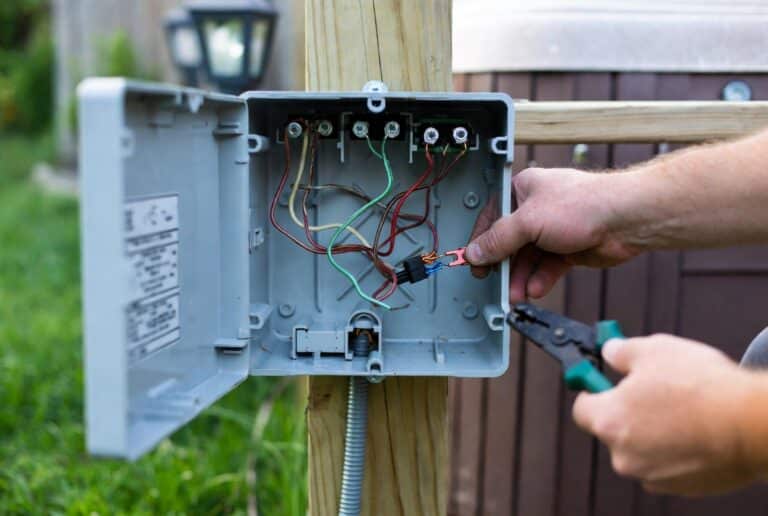
Start by switching off the dedicated circuit breaker for your hot tub at your main electrical panel. Most hot tubs in Superior are wired to a 240-volt dedicated circuit, often with a disconnect box mounted near the spa itself. Turn off the disconnect as well. If your setup includes a GFCI breaker (which it should, per code), make sure it’s in the off position.
Never assume the power is off just because the hot tub isn’t running. Use a non-contact voltage tester to verify there’s no live current before touching any wiring or components. This step is non-negotiable for safety.
Inspecting Wiring and Components
With the power safely disconnected, it’s time to inspect. Open up the equipment access panel and take a close look at the wiring, connections, and components inside.
Look for:
- Frayed, cracked, or damaged wire insulation
- Signs of corrosion on terminals or connectors
- Burn marks or discoloration around connections
- Evidence of moisture intrusion or water damage
- Rodent activity (droppings, chewed wires, nesting material)
If you spot any of these issues, don’t ignore them. Damaged wiring can be a fire hazard, and compromised connections may fail when you restart the system in spring. This is a good time to call in a licensed electrician if anything looks off.
Also inspect the conduit running to your hot tub. Cracks or gaps in the conduit can allow moisture and pests inside, leading to problems down the line.
Protecting Control Panels and GFCI Breakers
Your hot tub’s control panel is the brain of the operation, and it’s sensitive to moisture and temperature extremes. If you’re shutting down for winter, take steps to protect it.
First, make sure the area around the control panel is dry. If there’s any standing water or moisture in the equipment compartment, address it before closing things up. Consider using moisture-absorbing packets (silica gel) inside the control box to combat condensation over the winter months.
For the GFCI breaker, verify it’s functioning correctly before shutdown. Press the test button, the breaker should trip immediately. If it doesn’t, the GFCI may be faulty and should be replaced before you use the hot tub again. GFCI protection is critical for preventing electrical shock, especially in wet environments like spas.
Finally, cover the equipment compartment securely to keep out moisture, debris, and critters. A weatherproof cover or tarp can help, but make sure it allows for some airflow to prevent condensation buildup.
Preventing Freeze Damage to Electrical Components
Freeze damage is the biggest threat to hot tub electrical systems during a Superior winter. While most people focus on draining the plumbing, electrical components need protection too.
Pumps and heaters are particularly vulnerable. Even after draining, residual water can remain inside these components, and when that water freezes, it expands. The result? Cracked housings, damaged seals, and ruined motors. Make sure all water is thoroughly removed from pumps, heaters, and any other equipment that holds water. Using a shop vac or blower to clear out residual moisture is a smart move.
Wiring and electrical connections can also suffer in extreme cold. The insulation on older wires may become brittle and crack when temperatures plummet. Connections can contract and loosen. If your hot tub’s wiring is more than 10-15 years old, consider having it inspected by a licensed electrician before winter sets in.
Another often-overlooked issue: the outdoor disconnect box. These boxes are exposed to the elements year-round, but winter is especially hard on them. Check the seals and gaskets for cracks or wear. If water can get inside, it will, and frozen water in a disconnect box is a recipe for trouble.
For homeowners who plan to keep their hot tub running through winter, maintaining consistent heat is key. The heater needs to keep water above freezing at all times, which means the electrical system must be reliable. Make sure your circuit can handle the increased load during cold snaps, and consider a freeze protection system if your spa doesn’t already have one built in.
Common Winterization Mistakes to Avoid
We’ve seen a lot of winterization gone wrong over the years. Here are some of the most common mistakes, and how to avoid them.
Leaving the power on “just in case.” Some homeowners think leaving the breaker on will allow freeze protection to kick in. But if you’ve drained the spa, there’s no water to protect, and you’re just wasting energy and risking electrical issues. If you’re shutting down, shut down completely.
Skipping the inspection. It’s tempting to just flip the breaker and walk away. But taking 15 minutes to inspect wiring and components can save you hundreds (or thousands) in repairs come spring. Don’t skip it.
Forgetting the GFCI test. Your GFCI breaker is a critical safety device. If it’s not working properly, you won’t know until it’s too late. Test it before shutdown, and again when you restart in spring.
Not protecting against moisture. Covering your hot tub isn’t enough. Moisture can still accumulate inside the equipment compartment from condensation. Use moisture absorbers and ensure proper ventilation.
DIY electrical repairs. If you find damaged wiring or faulty components during your inspection, resist the urge to fix it yourself, unless you’re a licensed electrician. Improper repairs can void warranties, violate code, and create serious safety hazards.
Waiting too long. Procrastination is the enemy of proper winterization. By the time a hard freeze hits, it may already be too late to prevent damage. Get it done early.
When to Call a Licensed Electrician
Some aspects of hot tub winterization are straightforward enough for a handy homeowner. But when it comes to electrical work, there are times when calling a professional isn’t just smart, it’s necessary.
You should call a licensed electrician if:
- You discover damaged, frayed, or corroded wiring during your inspection
- Your GFCI breaker won’t trip when tested, or trips randomly
- There are signs of electrical burning, melting, or discoloration
- You’re unsure whether your hot tub’s electrical system meets current code
- The disconnect box or main panel shows signs of moisture damage
- You want a professional inspection before shutting down for winter
- You’re planning any upgrades, like adding a new disconnect or upgrading your panel
At Tru-Craft Electric, we specialize in sauna and hot tub wiring for homeowners across Superior, Boulder County, and the surrounding areas. We’ve been serving the community since 1979, and every job we do follows strict safety and electrical code standards. We use only high-quality materials, and we never cut corners.
Whether you need a pre-winter inspection, repairs to damaged wiring, or help bringing an older hot tub installation up to code, we’re here to help. Our team understands Boulder County’s local building codes and the specific challenges that come with our Colorado winters.
If you’re not sure whether your hot tub’s electrical system is ready for winter, give us a call. A quick inspection now can prevent major headaches, and major expenses, later.
Conclusion
Winterizing your hot tub’s electrical system isn’t glamorous, but it’s one of the most important things you can do to protect your investment and ensure safe operation for years to come. From disconnecting power properly to inspecting wiring, protecting control panels, and preventing freeze damage, each step plays a role in keeping your system safe through Superior’s harsh winters.
The key takeaways? Start early, before that first hard freeze catches you off guard. Inspect thoroughly, even if everything looks fine at first glance. And don’t hesitate to call a licensed electrician if you spot any issues or simply want peace of mind.
At Tru-Craft Electric, we’re proud to serve homeowners throughout Superior and Boulder County with expert electrical services, including hot tub and spa wiring. If you need help winterizing your system or want a professional inspection before the cold sets in, contact us to schedule a consultation. We’ll make sure your hot tub is ready to weather the winter, and ready to enjoy again when spring arrives.
