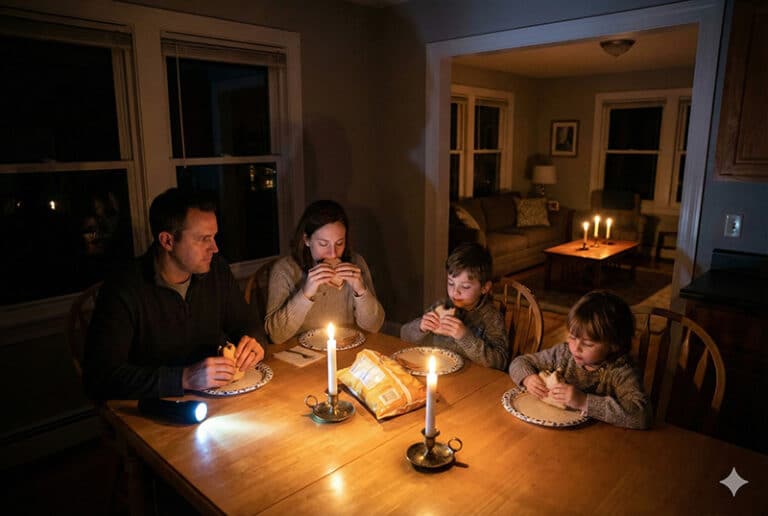
If your lights flicker when the AC kicks on or circuit breakers trip more often than they should, your home might be sending you a message. Many Lafayette homes, especially those built before the 1990s, are running on outdated electrical panels that simply can’t keep up with modern power demands. Between EV chargers, home offices, smart appliances, and HVAC systems, today’s households draw far more electricity than older panels were designed to handle.
At Tru-Craft Electric, we’ve been helping Boulder County homeowners navigate electrical upgrades since 1979. In this guide, we’ll walk you through the warning signs that indicate it’s time for a panel upgrade, explain your options, and help you understand what the process actually looks like from start to finish.
Signs Your Home Needs an Electrical Panel Upgrade
How do you know if your electrical panel is past its prime? There are several telltale signs that shouldn’t be ignored.
Frequent breaker trips are often the first red flag. If you’re constantly resetting breakers, especially when running multiple appliances, your panel is struggling to distribute power safely. This isn’t just annoying: it’s a warning that your system is overloaded.
Flickering or dimming lights when large appliances cycle on indicate your panel can’t handle the load. The same goes for outlets that feel warm to the touch or emit a burning smell. These are serious safety concerns that warrant immediate attention.
Other signs include:
- Reliance on multiple power strips and extension cords
- A panel that still uses fuses instead of circuit breakers
- Visible rust, corrosion, or scorch marks on the panel
- Plans to add major appliances, an EV charger, or a hot tub
If your home still has a 60-amp or 100-amp panel, you’re likely operating at capacity, or beyond it. Most modern homes require at least 200 amps to run safely and efficiently. We see this frequently in older Lafayette neighborhoods, where homes were built for a different era of electrical demand.
Understanding Panel Sizes and Amperage Options
Electrical panels are rated by amperage, which determines how much electricity can flow through your home at once. Here’s a quick breakdown of common options:
100-amp panels were standard in homes built through the 1970s and early ’80s. They’re adequate for smaller homes with gas heating and minimal electronics, but that description fits fewer households every year.
200-amp panels are today’s standard for most single-family homes. This capacity handles central air conditioning, electric dryers, multiple computers, and modern kitchen appliances without breaking a sweat. If you’re upgrading, 200 amps is typically the sweet spot.
400-amp panels (or dual 200-amp setups) make sense for larger homes, properties with workshops, or homeowners planning major additions like EV charging stations, solar arrays, or backup battery systems.
We also install Span Smart Panels, which take your electrical system into the 21st century. These intelligent panels give you real-time visibility and control over individual circuits, right from your phone. They integrate seamlessly with solar, battery storage, and EV chargers, helping you manage energy more efficiently. It’s a worthwhile consideration if you’re already opening up the wall for an upgrade.
The Electrical Panel Upgrade Process Explained
A panel upgrade isn’t a weekend DIY project, it requires licensed professionals, permits, and inspections. Here’s what you can expect when you work with our team.
First, we’ll schedule an assessment to evaluate your current system and discuss your electrical needs. We look at your existing panel, wiring condition, and future plans (adding an EV charger? Finishing a basement?). This helps us recommend the right panel size and identify any additional work needed.
Once we’ve agreed on a plan, we handle the permit applications and coordinate with the utility company. Your power will need to be disconnected temporarily during the installation, usually for several hours. Our electricians remove the old panel, install the new one, connect all circuits, and ensure everything is properly grounded and labeled.
After installation, the work gets inspected by local authorities to verify code compliance. Only then is your new panel energized and ready to use.
Permits and Code Requirements in Lafayette
Lafayette falls under Boulder County’s jurisdiction for electrical permits and inspections. Any panel replacement or upgrade requires a permit, no exceptions. This isn’t bureaucratic red tape: it’s a safety measure that protects you and future owners of your home.
We’ve been navigating Boulder County building codes for over 40 years, so we know exactly what inspectors look for. Our work is designed to pass inspection the first time, which keeps your project on schedule. We handle all the paperwork, too, you won’t need to stand in line at the building department.
Costs and Factors That Affect Your Investment
Let’s talk numbers. A straightforward 200-amp panel upgrade in Lafayette typically ranges from $1,500 to $3,500, though several factors can push costs higher or lower.
Panel type matters. A standard breaker panel costs less than a smart panel like Span, which offers advanced features but carries a higher price tag. Consider it an investment in long-term energy management.
Wiring condition is another variable. If your home has outdated aluminum wiring or damaged circuits, additional work may be needed to bring everything up to code safely.
Meter and service entrance upgrades are sometimes required, especially if you’re jumping from 100 to 200 amps. The utility company may need to upgrade the connection from the street, which adds time and expense.
Accessibility plays a role, too. Panels in cramped utility closets or finished basements take longer to work on than those in open garages.
We provide transparent, upfront pricing with no hidden fees. After our initial assessment, you’ll receive a detailed estimate so you know exactly what you’re paying for. There are no surprise charges, that’s been our approach since 1979, and it’s why Boulder County homeowners keep calling us back.
Choosing a Qualified Electrician for Your Upgrade
Your electrical panel is the heart of your home’s power system. Choosing the wrong contractor can mean code violations, safety hazards, and expensive fixes down the road. Here’s what to look for.
Licensing and insurance are non-negotiable. Colorado requires electricians to be licensed, and any reputable company carries liability insurance. Ask for proof before signing anything.
Local experience matters more than you might think. An electrician familiar with Lafayette and Boulder County knows local codes, inspection processes, and common issues in area homes. We’ve been based in Superior and serving this community for over four decades, we’ve seen it all.
Clear communication separates good contractors from great ones. You should understand what work is being done, why it’s necessary, and what it costs. If an electrician can’t explain things in plain English, that’s a red flag.
Warranties and follow-up indicate confidence in workmanship. We stand behind our work and are always available if questions arise after the job is complete.
At Tru-Craft Electric, we’re a family-owned company that treats every home like our own. Our electricians are certified to install everything from standard panels to Span Smart Panels, and we handle residential and commercial systems alike. When you’re ready for an upgrade, give us a call for a free consultation.
Conclusion
An electrical panel upgrade is one of the smartest investments you can make in your Lafayette home. It improves safety, supports modern electrical demands, and adds real value to your property. If you’ve noticed warning signs, tripping breakers, flickering lights, or an aging fuse box, don’t wait until a small problem becomes an emergency. Contact Tru-Craft Electric to schedule your assessment and take the first step toward a safer, more capable electrical system.
